
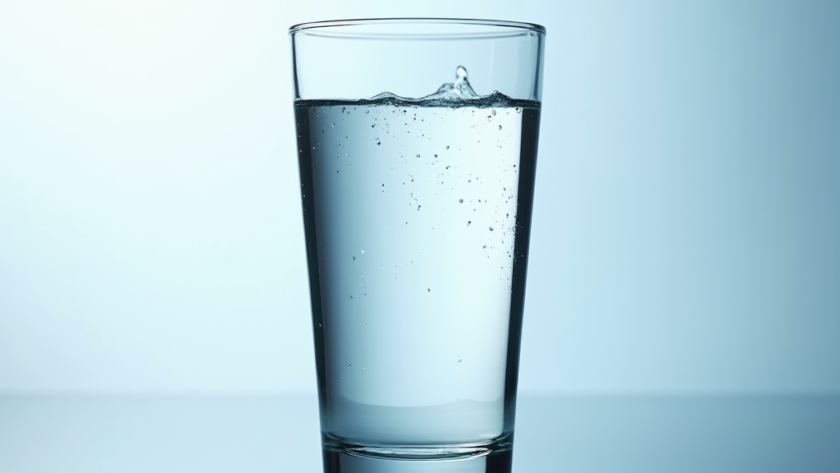
Most people don’t think much about the water they drink. You turn on the tap, fill your glass, and take a sip. But have you ever wondered what’s actually in that water? Even though it looks clean, it can still contain things you don’t want to drink—like chemicals, bacteria, and tiny particles from old pipes.
Having safe, clean drinking water is important for your health. Contaminated water can cause stomach problems, strange tastes, or even long-term health issues. Luckily, there are ways to make sure the water in your home is fresh and free from harmful substances.
What Can Be in Your Tap Water?
Tap water in most cities is treated to remove harmful bacteria and other contaminants. But that doesn’t mean it’s always perfect. Depending on where you live, your water might contain:
- Chlorine and other disinfectants – Used to kill bacteria, but can leave a strong taste or smell.
- Heavy metals – Old pipes can release lead, copper, or other metals into the water.
- Sediments and dirt – Tiny particles from the water supply can sometimes make it into your glass.
- Chemicals and pesticides – Runoff from farms or factories can contaminate local water sources.
If you’ve ever noticed a weird taste, cloudy water, or a strong smell, your tap water might not be as pure as you think.
The Best Way to Get Cleaner Water
One of the easiest and most effective ways to improve your water quality is by using a filtration system. Water filters can remove harmful contaminants and improve the taste, making your drinking water safer and fresher.
If you’re looking for a high-quality option, an Atlas Filtri Water Filter Melbourne provides reliable filtration to ensure your water is clean and safe for everyday use.
Different Types of Water Filters
Not all water filters are the same. Some remove certain contaminants better than others. The most common types include:
- Carbon filters – These absorb chlorine, chemicals, and any bad taste from water.
- Reverse osmosis systems – These remove nearly everything, including heavy metals and bacteria.
- Sediment filters – These catch dirt, rust, and sand before they get into your water.
- UV filters – These use ultraviolet light to kill bacteria and viruses.
The best filter for your home depends on what’s in your water. If you’re not sure, a water quality test can help you figure out what you need to filter out.
How Often Should You Replace a Water Filter?
Water filters don’t last forever. Over time, they get clogged with contaminants and stop working as well. Most filters need to be replaced every few months, but it depends on the type and how much water you use.
If you notice any of these signs, it might be time for a new filter:
- Water starts tasting or smelling bad again.
- The flow rate slows down.
- Your filter has reached the recommended replacement time.
What Happens If You Drink Contaminated Water?
Most of the time, drinking tap water won’t make you sick right away. Long-term exposure to certain contaminants, however, can have negative effects on your health. Here are some potential risks:
- Bacteria and parasites – Can cause stomach cramps, diarrhea, and nausea.
- Lead and heavy metals – Long-term exposure can lead to serious health problems, especially for young children.
- Excess chlorine – While chlorine kills bacteria, too much of it can cause irritation and affect the taste of your water.
- Pesticides and industrial chemicals – These can get into water supplies from farming and factories, sometimes leading to long-term health concerns.
If you live in an area where water quality is a concern, filtering your water is an easy way to reduce these risks.
Other Ways to Keep Your Drinking Water Safe
Besides using a good water filter, there are other things you can do to make sure your water stays clean:
- Check your pipes – Older pipes, especially those made from lead or copper, can release metals into your water. If your home is older, it might be worth getting them checked.
- Flush your tap – If water has been sitting in the pipes overnight, let it run for a few seconds before drinking to clear out any buildup.
- Use a clean water bottle – If you fill up a reusable bottle, make sure to wash it regularly. Bacteria can grow inside if it’s not cleaned properly.
- Store water properly – If you keep drinking water in a jug or dispenser, make sure it’s sealed and cleaned often to prevent bacteria growth.
Clean Water Shouldn’t Be a Guessing Game
Water is something we use every day without thinking about it, but making sure it’s actually clean and safe is just as important as eating healthy food. No one wants to drink water that tastes weird or could be full of things that shouldn’t be there.
The good news is, ensuring your water is safe doesn’t have to be complicated. Using a good filter, staying aware of any changes in taste or smell, and checking your water quality once in a while can help you avoid problems. It’s a simple way to protect your health and make sure the water you drink is always fresh and clean.