
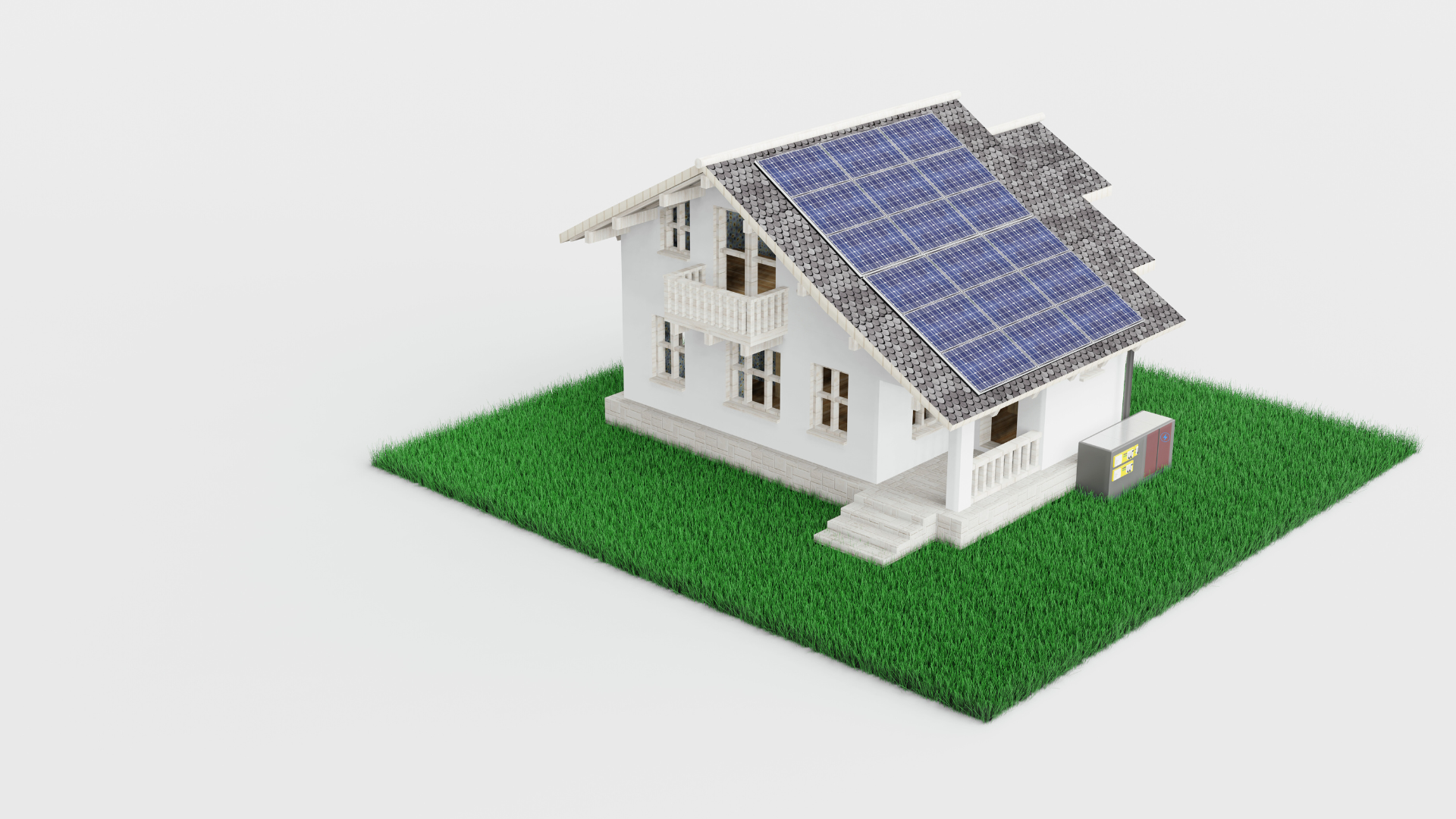
Homeowners often seek practical ways to reduce their monthly expenses, particularly when it comes to energy bills. Implementing energy-saving measures not only helps to lower utility costs but also contributes to a more sustainable lifestyle. Simple adjustments from calling in hvac repair experts for tune-ups, to implementing mindful habits can lead to significant savings over time.
From upgrading insulation to utilizing programmable thermostats, there are numerous strategies that can be applied. Small changes, such as switching to LED lighting or sealing drafts, can have a notable impact on energy consumption. Adopting these practices empowers individuals to take control of their energy usage.
As energy prices fluctuate, the importance of being proactive about efficiency becomes increasingly clear. Incorporating energy-saving tips within the home provides both immediate financial relief and long-term benefits. Embracing these solutions lays the groundwork for a more economical and environmentally friendly living space.
Optimize Heating and Cooling
Effectively managing heating and cooling can lead to significant energy savings. Key strategies include setting an efficient thermostat schedule, upgrading to programmable or smart thermostats, and sealing any drafts to maintain a consistent indoor temperature. Additionally, regular hvac maintenance is also essential. Keeping your heating and cooling systems in top shape helps them run more efficiently, prevents unexpected breakdowns, and extends their lifespan. Simple tasks like replacing filters, checking system components, and scheduling seasonal tune-ups can make a noticeable difference in your energy use.
Set an Efficient Thermostat Schedule
An efficient thermostat schedule is essential for reducing energy bills. By programming the thermostat to adjust temperatures according to daily routines, one can avoid unnecessary heating or cooling when not at home.
For instance, during the winter, lowering the thermostat by 7-10 degrees for eight hours can save approximately 10% on energy costs. Similarly, in the summer, setting the thermostat higher when sleeping or away from home yields similar savings. Developing a consistent schedule not only optimizes comfort but also greatly conserves energy.
Upgrade to a Programmable or Smart Thermostat
Programmable and smart thermostats offer advanced features that support energy efficiency. A programmable thermostat allows users to set different temperatures for different times, ensuring optimal usage aligned with daily activities.
Smart thermostats take it a step further, incorporating features like remote access, learning algorithms, and integration with home automation systems. For example, many smart thermostats can learn patterns and adjust temperatures automatically. This capability optimizes energy consumption and can further reduce energy bills significantly.
Seal Drafts With Caulk and Weatherstripping
Drafts around windows and doors can lead to significant energy loss, making sealing these gaps crucial. Using caulk for stationary components, like window frames, and weatherstripping for movable parts, such as doors, can effectively minimize heat transfer. However, sometimes it’s best to simply replace the windows completely with the best replacement windows, as this can improve energy-efficiency long-term.
Homeowners should check for drafts regularly, especially during seasonal changes. A simple test involves using a candle; if the flame flickers, there is likely a draft present. Sealing these gaps ensures that both heating and cooling systems work efficiently, preventing unnecessary energy expenditures and ensuring a comfortable indoor environment.
Increase Energy Efficiency at Home
Improving energy efficiency at home can significantly reduce utility bills. Key areas to focus on include insulation, lighting, appliances, and controlling sunlight with window coverings.
Enhance Insulation in Key Areas
Effective insulation helps maintain a consistent indoor temperature, reducing the need for heating and cooling. Key areas to insulate include attics, walls, and basements.
- Attics: Insulating the attic floor prevents heat loss in colder months.
- Walls: Consider adding insulation materials like fiberglass or foam in exterior walls.
- Basements: Insulate basement walls to keep living areas above warmer.
Using weatherstripping around doors and windows also minimizes drafts, enhancing comfort and reducing energy costs. While these measures are important, another key area to consider is the roof as it can contribute to overall energy efficiency. Reach out to professionals from Roofing Winnipeg services, or elsewhere, to ensure a thorough inspection and repair, if necessary. This can prevent energy waste as well as any costly structural issues down the line.
Use Energy-Efficient Lighting
Switching to energy-efficient lighting can lead to substantial savings. Compact fluorescent lamps (CFLs) and light-emitting diodes (LEDs) consume less electricity than traditional incandescent bulbs.
- CFLs: Use about 75% less energy and last up to 10 times longer than incandescent options.
- LEDs: Even more efficient, they reduce energy consumption by 80-90% and have a lifespan of 15,000 to 50,000 hours.
Replacing just a few bulbs in frequently used areas can quickly amplify energy savings. Consider installing dimmers and motion sensors to optimize lighting use.
Select Efficient Appliances and Electronics
Choosing energy-efficient appliances and electronics is crucial for reducing energy bills. Look for the ENERGY STAR label, which indicates that products meet strict efficiency guidelines.
- Refrigerators: Modern, ENERGY STAR-rated refrigerators can use 15% less energy than standard models.
- Washing Machines: High-efficiency washers reduce water and energy use, saving money on both bills.
- Electronics: Unplug devices unused or leverage smart power strips to minimize phantom loads.
Regular maintenance, such as cleaning filters and coils, enhances appliance efficiency, ensuring they operate as designed.
Control Sunlight With Window Coverings
Window coverings can effectively regulate heat gain and loss. The right window treatments can lower energy consumption significantly.
- Blinds and Shades: Adjustable blinds allow homeowners to control natural light while blocking heat during summer months.
- Curtains: Thermal or blackout curtains help keep homes warm in winter and cool in summer.
- Solar Screens: These screens limit heat gain from sunlight while still allowing visibility to the outside.
Using window coverings strategically throughout the year can lead to reduced reliance on HVAC systems, further decreasing energy usage.
Reduce Energy Use in Everyday Habits
Adjusting daily routines can lead to significant energy savings. Simple changes in habits, especially regarding laundry and account usage, can enhance efficiency and reduce energy bills.
Adopt Smart Laundry Practices
Laundry contributes substantially to household energy consumption. To decrease these costs, consider washing full loads instead of partial ones. This approach maximizes water and energy use per wash.
Using cold water for laundry can lower energy bills significantly. Up to 90% of the energy consumed during washing goes to heating water. Additionally, employing dryer balls can improve drying efficiency, enabling shorter drying times.
If possible, air-dry clothes outdoors or use indoor drying racks. This method saves energy and extends the lifespan of garments. Scheduling laundry during off-peak hours, when energy rates are lower, also decreases overall costs.
Monitor and Manage Your Account Usage
Regularly reviewing energy use through an online account can reveal valuable insights. Many utility providers offer tools for tracking consumption patterns.
By checking this data frequently, individuals gain a better understanding of high usage periods and can adjust their habits accordingly. For example, turning off unnecessary lights or unplugging devices when not in use can yield immediate savings.
Furthermore, utilizing programmable thermostats allows users to optimize heating and cooling. Setting these devices to align with daily schedules reduces energy consumption when the home is unoccupied.
Taking small steps to monitor and adjust usage leads to gradual yet measurable savings on energy bills.
Take Advantage of Savings Opportunities
Utilizing available savings options can significantly reduce energy costs. Identifying rebates and discounts for energy-efficient upgrades allows homeowners to maximize their savings while improving their energy efficiency.
Find and Apply for Energy Rebates
Many utility companies and government programs offer rebates for homeowners who invest in energy efficiency. These rebates can cover a portion of the costs for products like ENERGY STAR appliances, insulation, or HVAC systems.
Homeowners should check their local utility websites or the Database of State Incentives for Renewables & Efficiency (DSIRE) for available programs.
To apply, homeowners typically need to fill out forms and provide proof of purchase. Understanding eligibility criteria and application deadlines is crucial to ensure they receive the maximum benefit.
Look for Discounts on Energy-Efficient Products
Retailers often provide discounts on energy-efficient appliances during specific sales events or seasonal promotions. Homeowners should keep an eye out for sales during holiday weekends, Earth Day, or special store events.
Additionally, online platforms may offer exclusive deals. Checking for manufacturer rebates in tandem with store promotions can result in substantial savings.
Comparing prices across different stores and websites is essential. Homeowners can utilize tools like price comparison websites or apps to ensure they make informed purchasing decisions.