
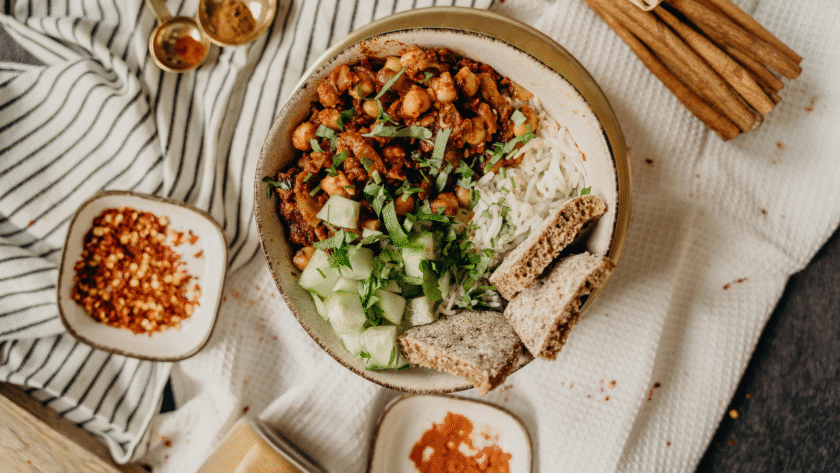
Fitness enthusiasts often seek ways to enhance their diets while adhering to vegetarian principles. High-protein vegetarian recipes can provide the necessary nutrients to support muscle growth and recovery without relying on meat. Incorporating a variety of plant-based proteins ensures that fitness lovers can meet their dietary needs while enjoying flavorful meals.
From lentils and chickpeas to quinoa and tempeh, the options are diverse and nutritious. Recipes can include protein-packed salads, hearty bean bowls, and smoothies that offer both energy and essential amino acids. These meals are not only healthy but also easy to prepare, making them ideal for busy individuals focused on their fitness goals.
Exploring high-protein vegetarian recipes can transform how fitness lovers approach their diets. With the right ingredients, it’s possible to create satisfying dishes that fuel workouts and contribute to overall health. This article highlights delicious and easy-to-make options that cater to those seeking a protein-rich vegetarian lifestyle.
Understanding High-Protein Vegetarian Nutrition
High-protein vegetarian nutrition incorporates various plant-based protein sources essential for anyone focusing on fitness. This section highlights key protein sources, essential nutrients, and the benefits associated with a high-protein vegetarian diet.
Key Protein Sources for Vegetarians
Vegetarians have access to a wide array of high-protein foods. Some of the most valuable sources include:
- Legumes: Lentils, chickpeas, and black beans are packed with protein and fiber.
- Quinoa: A complete protein containing all nine essential amino acids.
- Tofu and Tempeh: Excellent sources of protein, derived from soybeans, are versatile in various dishes.
- Seitan: Made from wheat gluten, offering a meat-like texture and high protein content.
- Nuts and Seeds: Almonds, chia seeds, and hemp seeds provide healthy fats and protein.
Utilizing these sources helps ensure adequate protein intake in a vegetarian diet.
Essential Nutrients for Fitness Enthusiasts
A high-protein vegetarian diet must include several essential nutrients critical for fitness. Key nutrients include:
- Iron: Found in legumes, dark leafy greens, and fortified cereals; important for energy levels.
- Calcium: Present in fortified plant milks, tofu, and leafy greens; supports bone health.
- Vitamin B12: Often lacking in vegetarian diets; can be obtained from fortified foods or supplements.
- Omega-3 Fatty Acids: Sourced from flaxseeds, chia seeds, and walnuts; beneficial for heart health.
Ensuring a balance of these nutrients supports overall health and performance.
Benefits of a High-Protein Vegetarian Diet
A high-protein vegetarian diet offers numerous health benefits. These benefits encompass:
- Muscle Maintenance: Adequate protein supports muscle repair and growth, important for fitness enthusiasts.
- Weight Management: High-protein foods can promote satiety, aiding in weight control.
- Reduced Disease Risk: Such diets are linked to lower risks of chronic illnesses, including heart disease.
- Enhanced Recovery: Protein facilitates faster recovery after workouts, essential for athletes.
Emphasizing these aspects can significantly enhance fitness and health.
Top High-Protein Vegetarian Ingredients
Incorporating high-protein vegetarian ingredients is essential for fitness enthusiasts. These foods not only support muscle growth but also deliver essential nutrients for overall health and performance. Below are some top choices across various categories.
Beans, Lentils, and Legumes
Beans, lentils, and legumes are among the most versatile and protein-rich foods. They provide an excellent source of plant-based protein, ranging from 15-25 grams per cooked cup. Popular options include black beans, chickpeas, and kidney beans, each offering unique flavors and textures.
Lentils, particularly red and green varieties, are also notable. They are often used in soups, stews, or salads. A cup of cooked lentils contains about 18 grams of protein. Including a variety of beans and lentils can help maintain a balanced diet while contributing fiber and essential minerals.
Soy, Tofu, and Tempeh Varieties
Soy products are excellent sources of complete protein, containing all essential amino acids. Tofu, available in various textures, can be used in stir-fries, smoothies, or grilled dishes. A 100-gram serving of firm tofu has approximately 17 grams of protein.
Tempeh, a fermented soy product, is denser and higher in protein, offering about 20 grams per 100 grams. It’s often sliced and used in sandwiches or salads. Edamame, young soybeans, serve as a nutritious snack or salad topper, containing roughly 18 grams of protein per cup.
Eggs and Dairy Options
Eggs are a fantastic source of protein, providing about 6 grams per large egg. They can be prepared in numerous ways, making them suitable for breakfast, lunch, or dinner. Additionally, eggs contain nutrients like Vitamin D and choline.
Dairy products like Greek yogurt and cottage cheese are high in protein and can be included in smoothies, parfaits, or snacks. A cup of Greek yogurt can offer around 20 grams of protein, while cottage cheese delivers about 28 grams per cup. Both options contribute calcium and probiotics, promoting gut health.
Seeds, Nuts, and Whole Grains
Seeds and nuts are excellent sources of protein and healthy fats. Chia seeds and hemp seeds contain 5 grams and 10 grams of protein per ounce, respectively. They can be added to smoothies, oatmeal, or salads for an extra nutritional boost.
Nuts like almonds and walnuts enhance dishes with their crunch and provide essential nutrients. A serving of almonds has about 6 grams of protein. Whole grains like quinoa offer about 8 grams of protein per cooked cup and serve as a versatile base for salads and bowls. Integrating these foods into a vegetarian diet optimally supports fitness goals.
Delicious High-Protein Vegetarian Recipes
High-protein vegetarian recipes offer a great way for fitness enthusiasts to maintain energy and support muscle recovery. From satisfying bowls and vibrant salads to hearty main courses and delicious snacks, these meals are designed to fuel an active lifestyle.
Protein-Packed Bowls and Salads
A protein-packed bowl can include a variety of ingredients for maximum nutrition. For instance, combining quinoa, black beans, and corn creates a filling grain bowl. A drizzle of lime vinaigrette adds zest, enhancing flavor without extra calories.
Chickpea salad is another excellent option. It features chickpeas, cucumbers, tomatoes, and feta cheese. Tossing these ingredients with olive oil and lemon juice makes for a refreshing, nutrient-dense meal.
To increase protein content, consider adding tofu or tempeh. Both are excellent sources of plant-based protein and are versatile enough to absorb the flavors of any dressing used.
Hearty Main Courses for Fitness Buffs
For hearty main courses that satisfy and nourish, vegan chili stands out. Using kidney beans, black beans, and lentils provides various textures and a substantial protein boost. Add spices like cumin and chili powder for warmth.
Stuffed bell peppers are another nutritious dish. Stuff them with a mixture of cooked quinoa, vegetables, and cheese (for a vegetarian option) or nutritional yeast (for vegan recipes). Bake until the peppers are tender for a fulfilling dinner.
Vegan bodybuilders can also enjoy a lentil and vegetable stir-fry. Using hearty vegetables like broccoli and carrots, along with cooked lentils, contributes to a flavorful and protein-rich meal.
Snack and Dessert Ideas With Extra Protein
Snacking can be nutritious with high-protein options. Roasted chickpeas provide a crunchy, satisfying treat. Season with spices like paprika or garlic powder for added flavor.
Oatmeal cookies can also be made healthier by incorporating protein powder. A recipe combining oats, peanut butter, and a scoop of protein powder results in tasty, energy-boosting snacks perfect for a post-workout treat.
For a sweet option, consider chia seed pudding. Mix chia seeds with almond milk and a sweetener. After letting it sit in the fridge to thicken, it becomes a creamy and nutritious dessert, rich in protein and fiber.
High-Protein Meal Planning for Fitness Goals
Effective meal planning is essential for fitness enthusiasts. A well-structured high-protein meal plan can support athletic performance, weight loss, and overall health. This section covers how to create a balanced 1,500-calorie meal plan, strategies for meal prep, and ways to adapt recipes for different dietary preferences.
Creating a Balanced 1,500-Calorie Meal Plan
An effective high-protein meal plan should incorporate a variety of nutrient-rich foods. For a 1,500-calorie plan, consider the following breakdown:
- Protein: Aim for 30% of total calories (approximately 450 calories), equating to about 112 grams of protein.
- Carbohydrates: About 45% of total calories (around 675 calories).
- Fats: The remaining 25% (375 calories).
Meal suggestions could include:
- Breakfast: Greek yogurt with berries and a sprinkle of chia seeds.
- Lunch: Quinoa salad with black beans, corn, and diced avocado.
- Dinner: Grilled tofu stir-fry with mixed vegetables and brown rice.
Tracking macronutrients ensures compliance with dietary guidelines, promoting optimal energy levels.
Meal Prep Strategies for Busy Lifestyles
For those with limited time, meal prep can be a game changer. Preparing meals in advance helps maintain a high-protein diet without the stress of daily cooking.
Key strategies include:
- Batch Cooking: Prepare large quantities of staples like lentils, beans, and whole grains to use throughout the week.
- Portion Control: Use containers to divide meals into individual portions, making it easy to grab and go.
- Vegan Slow Cooker Recipes: Utilize slow cookers for convenient, nutritious meals. Examples include chili with kidney beans or a hearty vegetable stew.
This approach minimizes added sugars and keeps meals aligned with fitness goals.
Adapting Recipes for Vegan and Flexitarian Diets
Creating high-protein meals for vegan and flexitarian diets can be straightforward. Substituting traditional protein sources with plant-based options keeps meals diverse and satisfying.
High-protein vegan substitutions include:
- Legumes: Beans, lentils, and chickpeas are excellent protein sources.
- Nuts and Seeds: Incorporate almond butter, hemp seeds, and chia seeds for added nutrition.
- Plant-Based Proteins: Use products like tempeh, seitan, or protein-rich grains like quinoa.
Flexitarian diets can include some animal protein but lean towards plant-based options. Adapting recipes from vegan cookbooks ensures variety while meeting nutritional needs for optimal athletic performance.