
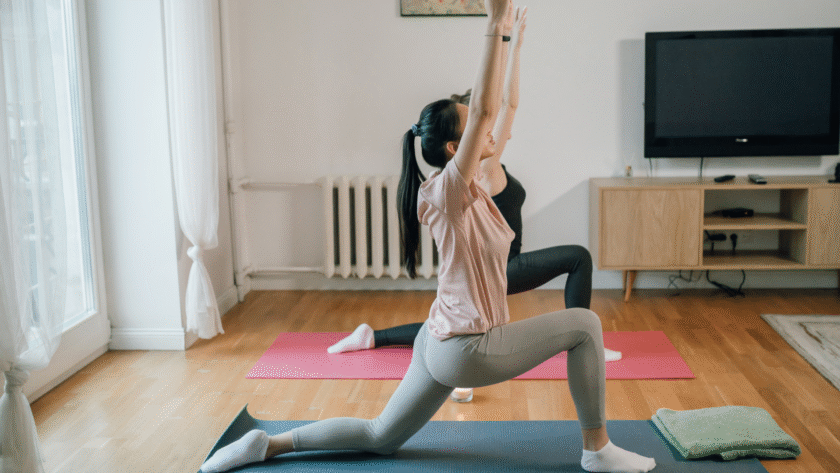
Building a home workout routine without equipment is entirely achievable and can be highly effective. A well-structured routine focusing on bodyweight exercises can provide strength, flexibility, and endurance without the need for gym gear. Many individuals may feel challenged by the lack of equipment, but creativity and consistency can lead to successful workouts at home.
Incorporating exercises like push-ups, squats, and planks can engage various muscle groups and promote overall fitness. Additionally, utilizing everyday items such as chairs or stairs can enhance the workout experience. With a little planning and the right exercises, anyone can create a routine that fits their lifestyle.
Establishing a schedule and setting specific goals can further enhance the effectiveness of home workouts. By dedicating time to fitness, individuals can improve their physical well-being while enjoying the convenience of exercising in their own space.
Understanding Bodyweight Workouts
Bodyweight workouts focus on using one’s own weight for resistance instead of traditional gym equipment. They provide flexibility, accessibility, and numerous health benefits for anyone aiming to enhance their fitness routine.
The Benefits of Exercising Without Equipment
Bodyweight exercises offer significant advantages. They are cost-effective, requiring no gym membership or equipment purchase. This accessibility allows individuals to train anywhere, whether at home, in a park, or while traveling.
Moreover, bodyweight workouts engage multiple muscle groups, improving strength, endurance, and flexibility simultaneously. Common exercises include push-ups, squats, and lunges, which can be modified for different fitness levels.
Another benefit is the reduced risk of injury, as these movements usually mimic natural body motions. This aspect is especially important for beginners or those recovering from injuries.
Principles of Effective Home Fitness
Creating an effective bodyweight workout revolves around specific principles. First, consistency is key. Establishing a regular schedule enhances results over time.
Next, variety plays a crucial role. Incorporating different exercises prevents boredom and challenges the body in new ways. He can mix strength training, cardio, and flexibility exercises for a balanced routine.
Additionally, progression must be considered. To continue improving, increases in intensity are necessary. This can be achieved by altering repetitions, durations, or the complexity of movements.
Lastly, ensuring proper form is vital. It minimizes the risk of injury while maximizing effectiveness. Managing these principles creates a sustainable and rewarding fitness journey without the need for equipment.
Steps to Build Your Home Workout Routine
Developing a home workout routine without equipment requires an understanding of one’s fitness level, selecting suitable exercises, creating a structured plan, and setting achievable goals. Each aspect is essential in forming a balanced and effective program.
Assessing Your Fitness Level
The first step involves evaluating personal fitness levels. This can be done through self-assessment tests such as push-ups, squats, and planks.
Consider these factors:
- Current Activity Level: Identify how frequently she exercises weekly.
- Strength and Endurance: Perform simple tests, like how many push-ups she can do in one minute.
- Flexibility: Assess how far she can reach forward while sitting.
Understanding these factors helps tailor the routine to fit her needs, ensuring exercises are neither too easy nor too challenging.
Choosing the Right Bodyweight Exercises
Selecting effective bodyweight exercises is crucial. They should engage multiple muscle groups and support multiple fitness goals.
Key exercises include:
- Push-ups: Work the chest, shoulders, and triceps.
- Squats: Target the lower body, specifically the thighs and glutes.
- Lunges: Enhance balance and strengthen leg muscles.
- Planks: Improve core stability and strength.
Mixing these exercises into a routine encourages full-body engagement. Additionally, she can modify exercises based on her fitness level. For instance, inclined push-ups may suit beginners better.
Structuring Your Weekly Training Plan
Creating a weekly plan is vital for consistency. It should balance intensity, recovery, and variety.
A simple weekly structure could look like this:
- Monday: Full body (push-ups, squats, planks)
- Tuesday: Cardio (jumping jacks, high knees)
- Wednesday: Rest or light stretching
- Thursday: Upper body (push-ups, tricep dips)
- Friday: Lower body (lunges, glute bridges)
- Saturday: Full body (circuit style)
- Sunday: Active recovery (yoga, walking)
This structure ensures all muscle groups are worked and provides ample recovery time. Varying the exercises each week keeps the routine fresh.
Setting Realistic and Achievable Goals
Defining clear and achievable fitness goals is essential for maintaining motivation. Goals should be specific and measurable.
Examples of goals:
- Increase reps: Aim to increase push-ups from 10 to 15 within 4 weeks.
- Improve duration: Hold a plank for 30 seconds longer by the end of the month.
- Try new workouts: Incorporate two new bodyweight exercises weekly.
Utilizing the SMART criteria—Specific, Measurable, Achievable, Relevant, Time-bound—helps set effective goals. Regularly reviewing progress allows adjustments to the routine, enhancing success and motivation to continue.
Optimizing Your Progress Without Equipment
Maximizing gains while exercising without equipment involves careful tracking, adapting methods, and maintaining motivation. By monitoring improvements, making necessary adjustments, and keeping spirits high, one can achieve impressive results.
Tracking Improvement Over Time
To track progress effectively, individuals should document their workouts in a dedicated journal or app. Recording details such as repetitions, sets, and time can highlight improvements. A simple table format can aid clarity:
| Date | Exercise | Sets | Reps | Time |
| 05/01/25 | Push-ups | 3 | 15 | 2 min |
| 05/03/25 | Squats | 4 | 20 | 3 min |
Regularly reviewing this data allows for awareness of growth and instills accountability, ensuring effort is consistent.
Adapting Workouts as You Advance
Adjusting the intensity and complexity of workouts is crucial to prevent stagnation. As strength and endurance increase, one can introduce variations or new exercises. Examples include:
- Increase Reps: Gradually add more repetitions.
- Change Tempo: Slow down movements for increased time under tension.
- Combine Exercises: Perform supersets, such as pairing push-ups with planks.
This progressive overload encourages continued improvements and keeps workouts engaging.
Staying Motivated and Overcoming Plateaus
Maintaining motivation is vital for long-term success. To prevent plateaus, consider implementing these strategies:
- Set Short-Term Goals: Achievable targets foster motivation.
- Change Environments: A different workout setting can reinvigorate interest.
- Join a Workout Community: Engaging with others provides support and accountability.
Additionally, mixing routines or adopting new challenges will keep workouts fresh and exciting. Regularly assessing personal motivations helps to maintain focus and commitment.
Safety, Consistency, and Home Training Guidelines
Establishing guidelines ensures safety and encourages consistency in home workouts. Understanding injury prevention and maintaining a routine are essential for effective training without equipment.
Preventing Injury and Promoting Recovery
Injury prevention is critical when exercising at home. Warm up before every session with dynamic stretches to prepare muscles for activity. Focus on proper form during exercises to minimize strain. Using mirrors or recording workouts can help identify form mistakes.
Listen to the body. Adjust the intensity if experiencing pain or discomfort. It’s advisable to schedule rest days to allow muscles to recover, reducing the risk of overuse injuries. Tips include:
- Stay hydrated throughout the workout.
- Incorporate cool-down exercises after each session.
- Apply ice or heat to sore muscles as needed.
Best Practices for Maintaining Long-Term Success
Consistency is essential for progress in a home workout routine. Setting a specific schedule helps in building a habit. Creating a calendar to track workouts can motivate individuals to stay on course.
Incorporating variety in workouts keeps things interesting and challenges different muscle groups. It’s beneficial to set realistic goals and celebrate small achievements to maintain motivation.
Using reminders or finding a workout buddy can enhance accountability. Regularly evaluating the routine for any needed adjustments ensures continued progress and engagement.
Following these guidelines fosters a safe and effective workout environment conducive to achieving fitness goals.