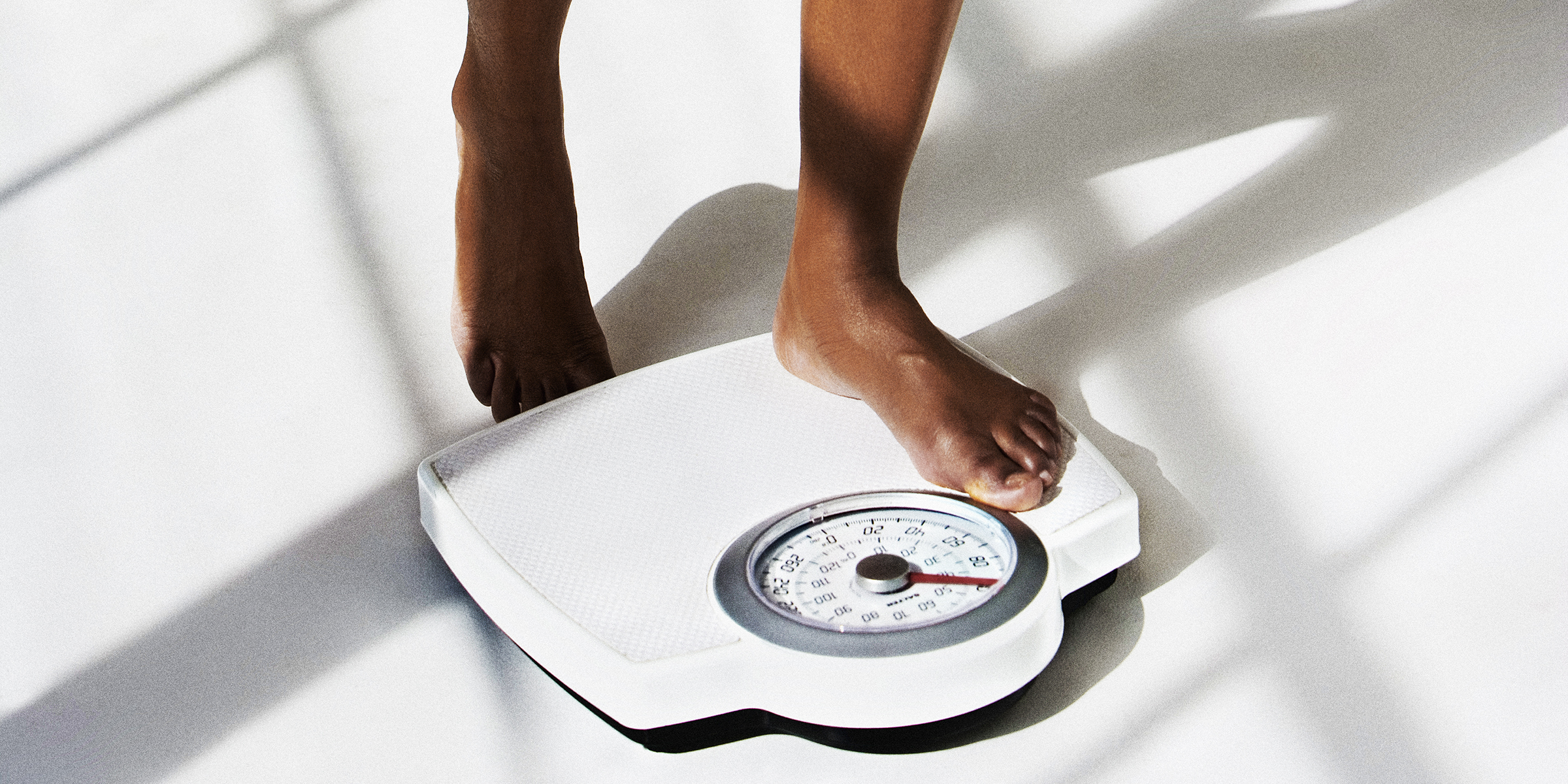
One New Year resolution for most of us is to shed a few pounds. Sometimes we succeed, and for the next few months, we are over the moon with joy enjoying our summer bodies until we gain all the fat right back. Finding the ideal method to lose weight for good is a mission that we all aspire to conquer. Unfortunately, there isn’t a single method that can help us shed the weight at once and remain petite forever. Losing weight is hard but maintaining that perfect figure is even more challenging.
But there are ways you could steadily shed weight over time and maintain it at a certain level; case in point, weight loss surgeries from the likes of Tonic Weight Loss. These procedures generally have high efficacy when it comes to successfully reducing unhealthy levels of fat. Aside from that, you could turn to physical fitness as it is one of the most efficient ways to ensure that weight loss stays gone.
One of the significant benefits of physical fitness is that it helps us lose weight by burning extra calories, reduces the risk of chronic illnesses, builds stronger bones, and keeps us in a good mood. There are various exercises that we can indulge in. However, for the process to work, we must go for a workout that we enjoy doing. The positive attitude towards the sport or activity will keep us going even after we shed a few pounds. Continuous exercise keeps the weight gone, and we keep getting lighter. Here are some of the fun exercises we could choose from.
Walking
Walking is one of the simplest and most effective ways you can support your weight loss journey. Unlike many forms of exercise, you don’t need any special equipment, and it can easily fit into your daily routine. Regular outdoor walking at a steady pace—around 4 km/h for 50 to 90 minutes, three to four times a week—can help you burn calories and improve overall fitness.
If you’re just starting out, aim for shorter sessions of 30 to 50 minutes and gradually increase your time and intensity as you build stamina. Along with aiding weight loss, walking can also boost your mood, improve heart health, and make it easier for you to stay consistent with your fitness goals.
Jogging/Running
Jogging/Running
Jogging and running may seem similar, but they differ in intensity, with jogging being performed at a slower, more relaxed pace. Both, however, are highly effective forms of exercise for weight loss. Studies suggest that jogging and running can help you reduce belly fat—an area many people find challenging to target.
To make the experience more comfortable, you can choose softer surfaces like grass or use a treadmill, which are gentler on your joints. Adding jogging or running to your routine is also convenient, as it doesn’t require a significant time commitment. You can easily fit it into your schedule by going for a run in the morning or evening, depending on what works best for you.
Cycling
Cycling is a highly effective and accessible exercise that can support your weight loss and overall fitness goals. Even if you don’t have access to outdoor space or a bicycle, you can still cycle indoors using stationary bikes available at most gyms. Many fitness centers also offer cycling classes, making it easier for you to stay motivated and consistent.
Regular cycling helps you burn calories, improve cardiovascular health, and build lower-body strength. It can also enhance insulin sensitivity and support your immune system. Whether you choose to cycle outdoors or indoors, incorporating this activity into your routine can be a convenient and enjoyable way to stay active.
Lifting Weights
When you think of the gym, weight training is often one of the first things that comes to mind. It’s a popular and effective way to support weight loss, as lifting weights helps build muscle, which in turn can increase your metabolism. This means your body continues to burn calories even while at rest. In addition to supporting weight loss, weight training can also help improve strength, endurance, and overall body composition over time.
However, exercise alone may not be enough for everyone. Some individuals benefit from medically supervised weight loss programs that address underlying factors such as metabolism, appetite, and overall health. Seeking guidance from professionals such as Dr. Scott H. Jaffe MD or other qualified specialists in the field can provide more personalized support. This may include medical guidance, treatment options, and lifestyle adjustments tailored to individual needs. Combining these efforts with proper form, manageable weights, and adequate rest can lead to safer and more sustainable results.
Understanding Changes After Weight Loss
As you stay consistent with your fitness routine and begin to see results, it’s important to understand that weight loss does not always lead to a perfectly toned appearance. While exercise helps burn fat and build muscle, factors such as age, genetics, and the amount of weight lost can affect how your skin responds. In some cases, the skin may not fully tighten, especially around the abdominal area, leading to a less defined look despite your efforts.
This is especially noticeable in cases of significant weight loss, where the skin may struggle to regain its elasticity over time. Even with continued exercise and a healthy diet, the abdominal area can remain affected, making it difficult to achieve a fully toned look. In such situations, some individuals explore additional options like a Tummy Tuck Los Angeles (or elsewhere) to help refine their results and better align their appearance with the progress they’ve made.
Choosing the Right Time for Body Contouring
After noticing changes in skin elasticity following weight loss, timing becomes an important factor when considering further steps. It is generally recommended to reach and maintain a stable weight before exploring any body contouring options. This ensures that the results are more consistent and long-lasting, rather than being affected by ongoing weight fluctuations.
Additionally, overall health, lifestyle habits, and future plans—such as pregnancy—should be taken into account. Taking the time to evaluate these factors allows individuals to make more informed decisions and set realistic expectations. When approached thoughtfully, any next step taken after weight loss can better complement the progress already achieved and support long-term confidence.