
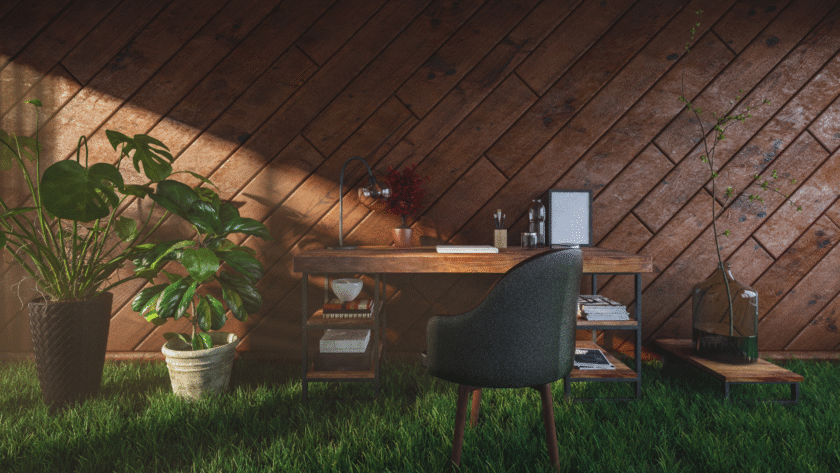
Creating a relaxing and stress-free home environment is essential for mental and emotional well-being. By incorporating simple changes such as decluttering, introducing calming colors, and adding elements of nature, one can significantly enhance the tranquility of a living space. These adjustments not only promote relaxation but also foster a harmonious atmosphere that alleviates daily stressors.
Incorporating soft lighting, comfortable furniture, and soothing scents can transform any room into a sanctuary. For instance, using natural materials and textures helps ground the space, making it feel more inviting and peaceful. Each small choice contributes to a collective atmosphere that encourages calmness and rejuvenation.
Ultimately, everyone can design a home that serves as a retreat from daily pressures. With thoughtful consideration and intentional changes, it is possible to create a haven that supports relaxation and a stress-free lifestyle.
Declutter and Organize for Serenity
Creating a serene environment starts with decluttering and organizing one’s space. A calm home promotes relaxation and helps reduce stress levels. The following points highlight the benefits of decluttering and provide practical strategies for maintaining organization.
The Benefits of Decluttering
Decluttering has multiple advantages that contribute to a peaceful home. It creates a more spacious environment, allowing light and air to flow freely. This openness fosters a sense of tranquility.
Additionally, a tidy space minimizes distractions, enabling individuals to focus better. It can also reduce feelings of anxiety, often triggered by visual chaos.
Finally, decluttering can enhance productivity. With organized surroundings, tasks become easier to accomplish, leading to a more fulfilling daily routine.
Simple Strategies for Staying Organized
Staying organized requires consistent effort and practical strategies. One effective method is to adopt the “one in, one out” rule, where for every new item brought into the home, an old item must be removed. This approach helps prevent accumulation.
Creating designated spaces for items is crucial. Utilize labeled bins and baskets to keep belongings sorted. This simple system can make retrieval straightforward, reducing time spent searching.
Regularly scheduling organizing sessions, even as brief as 10-15 minutes, can make a significant impact. This practice ensures that the organization remains a habit rather than a sporadic effort.
Choosing Decorative Storage Solutions
Aesthetic storage solutions can enhance the home’s appeal while serving a practical purpose. Attractive baskets, boxes, and shelves can help conceal clutter without compromising style.
Open shelving is a versatile option that combines function with design. It allows for easy access to items while showcasing decorative elements.
Multi-functional furniture, like ottomans with hidden storage, provides additional space for small items. These choices keep the environment organized and visually pleasing, reinforcing a sense of serenity.
Incorporating plants or artwork within storage areas adds character and warmth. This approach transforms practicality into an opportunity for personal expression, making the organization feel less like a chore.
However, sometimes, even the best indoor organization systems are not enough to hold everything. When a home has too many items for its closets and shelves, it helps to look for space elsewhere. Finding a reliable storage facility nearby gives individuals a way to keep their belongings safe so they do not crowd their rooms. This extra room makes it easier to maintain a tidy house. It also allows for more freedom when individuals select new furniture or decor. Having a clear plan for extra items is a key part of a long-term organization strategy.
Incorporate Natural Elements for Tranquility
Integrating natural elements into home design promotes a sense of calm and relaxation. By focusing on plants, enhancing natural light, and selecting comfortable area rugs, a tranquil environment can be achieved.
Enhancing Spaces with Plants and Flowers
Incorporating plants and flowers into living spaces can improve air quality and instill a sense of calm. Houseplants like snake plants, peace lilies, and pothos are not only aesthetically pleasing but also easy to care for. Choosing a variety of sizes and types helps create visual interest.
Small flower arrangements can add color and fragrance. Placing pots on windowsills, shelves, or tables encourages interaction with nature. Using decorative plant holders contributes to the room’s overall design, making plants a focal point while enhancing tranquility.
While bringing nature closer is usually helpful, some insects create problems when they get too close to the home. Bees often try to build nests in walls or near windows. If this happens, contacting a reliable bee exterminator is a good way to handle the situation safely. This keeps the living area secure. One can then focus on the plants without any worry about stings. It is a simple way to maintain a calm house for the whole family.
Maximizing Natural Light in Your Home
Natural light is essential for fostering a peaceful atmosphere. Maximizing daylight can be achieved through various methods. Using sheer curtains or blinds allows light to filter while maintaining privacy.
Mirrors are also effective in reflecting light, making spaces feel larger and brighter. Positioning mirrors strategically can enhance the natural light effect. Additionally, choosing light, reflective colors for walls can increase brightness throughout the home.
Selecting Area Rugs for Comfort
Area rugs play a significant role in creating a cozy atmosphere. Selecting rugs made from natural fibers such as wool, jute, or cotton provides comfort underfoot. These materials contribute to a warm and inviting environment, essential for relaxation.
Choosing the right size and placement for rugs can define spaces and enhance the overall layout. Runners in hallways or larger rugs in living areas can unify a room. Patterns and textures should complement the existing décor while fostering a serene ambiance.
Create a Calming Sensory Experience
Enhancing a home’s tranquility involves engaging the senses. By using scent, sound, and optimizing the bedroom environment, individuals can cultivate a relaxing atmosphere.
Using Scented Candles and Essential Oils
Scented candles can significantly influence mood and relaxation. Popular scents include lavender, chamomile, and sandalwood. Each offers unique calming properties that help reduce stress.
Essential oils can also provide relaxation when diffused. A diffuser distributes the aroma throughout the room, promoting a serene environment. For instance, a few drops of bergamot or eucalyptus can create an inviting scent that soothes the mind.
When selecting candles or oils, look for high-quality products. They should be made with natural ingredients to avoid synthetic additives that may cause adverse reactions. Lighting a scented candle while unwinding or diffusing oils during meditation can enhance the overall calming experience.
Incorporating Relaxing Sounds
Sound plays a crucial role in creating peaceful surroundings. Soft background music, nature sounds, or white noise can mask distracting noises and promote relaxation.
Consider investing in a sound machine designed for relaxation. Many models offer a variety of sounds, such as rainfall, waves, or forest ambiance. Alternatively, streaming platforms often have playlists specifically curated for calming environments.
Using headphones or speakers with gentle melodies can also help. Instruments like flutes or soft piano can create a soothing auditory experience. This focus on sound aids in lowering anxiety levels and fostering a stress-free atmosphere.
Optimizing Bedroom Ambiance
The bedroom should be a sanctuary for rest and rejuvenation. Start by choosing calming colors like soft blues or neutrals for wall paint. The right color can significantly affect mood and perceived comfort.
Incorporating comfortable bedding and pillows is essential. Materials like cotton or linen are breathable and supportive, enhancing sleep quality.
Lighting is another crucial factor. Use soft, ambient lighting such as table lamps or string lights to create a warm atmosphere. Avoid harsh overhead lights, as they can disrupt relaxation. Adding plants like snake plants or peace lilies can bring a touch of nature indoors, further uplifting the space and enhancing serenity.
When designing a bedroom that truly supports relaxation, it helps to consider the space in the context of the overall home layout. Strategic placement away from high-traffic areas, thoughtful integration of natural light, and views of outdoor greenery can amplify a sense of calm.
For those planning a new home, working with experienced professionals when searching for who builds homes near me ensures these elements are incorporated from the start, creating bedrooms that are not only visually appealing but also functionally restorative.
Beyond traditional lighting, adding a well-chosen focal point introduces a sense of warmth and comfort to the space. This element helps create a calmer, more inviting atmosphere that encourages relaxation. Modern solutions like electric fireplace suites can provide realistic flame effects without the need for a chimney, making them a versatile addition to any home.
These contemporary designs not only add a touch of elegance but also create a cozy, inviting glow that enhances relaxation. With flexible installation and sleek aesthetics, they seamlessly integrate into various decor styles, contributing to a truly serene environment.
Maintain a Stress-Free Environment
Creating a stress-free environment involves establishing routines that promote relaxation and minimizing distractions that can lead to stress. These steps can significantly enhance the peace within a home.
Establishing Routines for Peaceful Living
Routines play a crucial role in fostering a calm atmosphere. Regular daily activities can provide structure and predictability, which helps reduce anxiety.
- Morning Rituals: Start the day with intentional practices such as stretching, meditation, or sipping herbal tea. Consistent, calming mornings set a positive tone.
- Evening Wind-Down: Establish a pre-bedtime routine that encourages relaxation. This may include reading, listening to soothing music, or practicing light yoga.
- Meal Planning: Preparing meals in advance can alleviate last-minute stress. Design a weekly menu focusing on healthy, comforting foods that inspire peace.
Minimizing Digital Distractions
Digital distractions can create a tense environment. Limiting exposure to screens can help maintain a serene home.
- Set Boundaries: Designate specific times for checking emails or social media. Outside these windows, cultivate technology-free periods to encourage mindfulness.
- Create Tech-Free Zones: Establish areas in the home, such as the bedroom or dining room, where devices are not allowed. Encourage face-to-face interactions and allow for deeper connections.
- Mindful Consumption: Curate digital content to include only inspiring, informative materials. Opt for mindfulness apps and podcasts that promote peace instead of stress.