
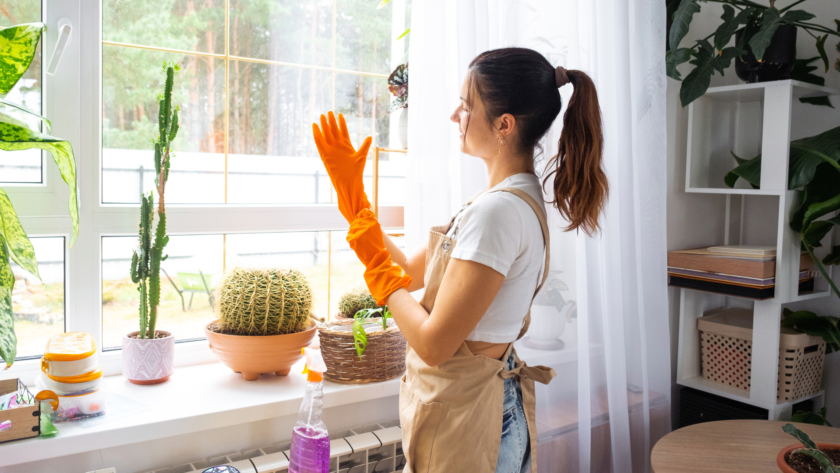
You can cut indoor allergy symptoms and make the home feel healthier by using a few simple, consistent habits that remove dust, pet dander, mold spores, and pollen at their sources. Start with targeted changes like vacuuming with a HEPA filter, washing bedding weekly in hot water, and controlling humidity to keep mold and dust mites at bay.
They will learn practical, low-cost steps that fit into daily routines and noticeably reduce allergens without major renovations. This article shows easy actions to reduce allergens in your home so people breathe easier and experience fewer allergy symptoms.
Simple Ways to Reduce Household Allergens for a Healthier Home
This section lists practical actions to identify common indoor allergens and reduce them through cleaning, filtration, humidity control, and material choices. Each subtopic gives specific steps, recommended products, and routine frequencies readers can apply immediately.
Identify and Control Common Household Allergens
They should start by listing likely allergens in each room: dust mites in bedrooms, pet dander in living areas, pollen near entryways, and mold in basements or bathrooms. Use a basic checklist: visible dust, frequent sneezing, and musty odors often point to indoor allergens.
Test for allergens selectively. Consider a DIY dust-mite test kit for mattresses or a lab test for mold if people have persistent symptoms. For pollen, check local pollen counts on weather apps and keep windows closed on high-count days.
Control sources directly. Place shoes by the door, launder entry rugs weekly, and use doormats to reduce pollen and outdoor soil. Remove indoor plants with moldy soil and store firewood outside to limit mold spores indoors.
Reduce Dust and Dust Mites Effectively
Vacuum high-traffic areas with a HEPA-filter vacuum at least once weekly, more often in homes with allergy sufferers. Use attachments to clean upholstery, curtains, and under furniture crevices where dust accumulates.
Encase mattresses, box springs, and pillows in dust-mite-proof covers made of tightly woven fabric. Wash bedding weekly in hot water (130°F/54°C) to kill dust mites; if hot washing isn’t possible, freeze small items for 24 hours, then wash.
Use microfiber cloths for dusting because they trap particles instead of dispersing them. Reduce clutter that traps dust and replace heavy drapes with washable curtains or blinds cleaned monthly.
Manage Pet Dander and Pet Allergens
Keep pets out of bedrooms and off upholstered furniture to reduce dander in sleeping areas. Create pet-free zones and wash pet bedding weekly in hot water or on the highest safe temperature setting.
Groom pets outdoors weekly and brush with a damp cloth to remove loose hair and dander. Consider a HEPA-filter vacuum and an air purifier in rooms where pets spend the most time to capture airborne dander.
Choose short-haired breeds cautiously and use allergen-reducing shampoos recommended by veterinarians. If symptoms persist, consult an allergist about immunotherapy or medications rather than relying solely on environmental changes.
Improve Indoor Air Quality with Air Filtration Solutions
Install HEPA air purifiers sized for each room; look for CADR ratings that match room square footage. Run purifiers continuously in bedrooms and living rooms during high-allergen seasons or when pets are present.
Upgrade HVAC filters to high-efficiency pleated filters (MERV 8–13, depending on system specs) and change them every 3 months or sooner if visibly dirty. Consider a whole-house HEPA filtration system if the HVAC can accommodate higher filtration without reducing airflow.
Limit indoor sources of volatile organic compounds (VOCs) by choosing low-VOC paints and cleaning products. Ventilate while cooking and use exhaust fans to remove combustion particles and moisture quickly.
Wash and Protect Bedding and Fabrics
Use allergen-proof mattress and pillow covers to block dust mites and dander from penetrating sleeping surfaces. Replace foam pillows every 2–3 years and wash synthetic pillows every 3–6 months when machine-washable.
Wash sheets, pillowcases, and duvet covers weekly in hot water (130°F/54°C) to kill dust mites and remove allergens. For items that can’t tolerate high heat, tumble-dry on high for 15–20 minutes or use allergen washes designed to denature proteins.
Choose hypoallergenic bedding materials and washable curtains. Opt for washable window treatments and tumble-dryable throw blankets; launder these monthly or more often in homes with pets or severe allergies.
Control Home Humidity and Prevent Mold
Measure humidity with a hygrometer and keep indoor relative humidity between 35% and 50% to limit dust mites and mold growth. Use a dehumidifier in basements and other damp spaces until humidity stabilizes.
Fix leaks promptly and dry wet building materials within 24–48 hours. Use exhaust fans in bathrooms and kitchens during and after showering or cooking to remove moisture at the source.
Clean visible mold with appropriate cleaners and a mask, or hire professionals for large or toxic mold. Discard porous materials like soaked carpeting or ceiling tiles if mold is extensive and cannot be fully remediated.
Choose Allergen-Resistant Flooring and Materials
Replace wall-to-wall carpet in bedrooms with hard flooring—laminate, hardwood, tile, or vinyl—to reduce dust-mite reservoirs. Use washable area rugs that can be laundered monthly or more often.
Select furniture with leather, faux-leather, or tightly woven synthetic upholstery that sheds fewer allergens. Avoid heavy fabric upholstery and long-pile carpets in main living areas when possible.
Pick window treatments and bedding that are machine-washable. Choose allergen-proof mattress and pillow materials described as hypoallergenic and labeled for dust-mite resistance.
Maintain Clean HVAC and Ventilation Systems
Schedule HVAC maintenance twice a year to clean coils, pans, and ductwork where possible. Replace HVAC filters regularly and choose filters rated for particle capture consistent with the system’s capabilities.
Seal and insulate duct leaks to prevent dust and pollen from entering ductwork. Clean or replace humidifier pads and UV lamps in HVAC systems per manufacturer guidance to reduce microbial growth.
If ducts are visibly dirty or occupants have ongoing symptoms, hire a certified duct-cleaning professional using NADCA standards. Keep intake vents clear of leaves and debris to reduce outdoor allergen entry.
Declutter and Clean Regularly for Allergy Prevention
Establish a weekly cleaning routine: vacuum with a HEPA-filter vacuum, dust with microfiber cloths, and launder bedding. Prioritize bedrooms and living rooms where people spend the most time.
Minimize collectible knick-knacks, open shelving, and piles that collect dust. Store clothing in sealed containers or drawers and rotate stuffed toys into the freezer monthly or wash them in hot water.
Schedule deeper cleaning seasonally: wash walls, clean under appliances, and launder window treatments. Use a damp mop on hard floors rather than dry sweeping to avoid raising dust into the air.