
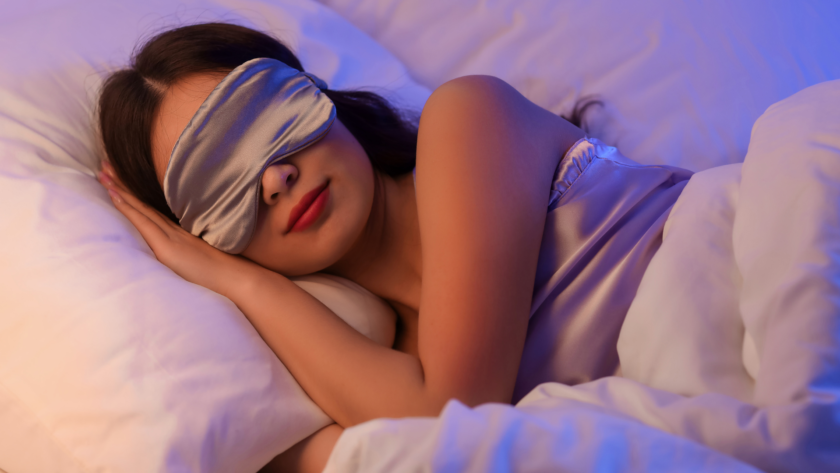
You want practical steps that improve sleep health and speed physical and mental recovery. Establishing consistent sleep hygiene—regular bedtimes, a calming pre-sleep routine, and a sleep-friendly environment—produces measurable gains in quality sleep and daytime energy.
They will find clear, evidence-based tips in the article that target better sleep, rest, and recovery, and overall sleep health. Expect simple changes you can test tonight to strengthen your sleep habits and protect recovery without dramatic lifestyle upheaval.
Core Sleep Hygiene Tips for Better Rest and Recovery
These practical steps target daily timing, bedroom conditions, pre-bed rituals, light and screen exposure, diet and substances, daytime habits, stress reduction, and smart napping to improve sleep onset, continuity, and restorative sleep stages.
Maintain a Consistent Sleep Schedule
They should set a fixed wake-up time and stick to it seven days a week to anchor the circadian rhythm. Waking at the same time builds sleep pressure and stabilizes melatonin timing, making it easier to fall asleep and reach deep and REM sleep more reliably.
Bedtime should be consistent within a 30–60 minute window. Track sleep need over two weeks and calculate a bedtime that yields 7–9 hours, then treat that time as nonnegotiable on most nights. Avoid large weekend shifts; limit sleep-in to 30–60 minutes.
Use a sunrise alarm clock to help wake at the same time and reinforce the sleep-wake cycle. If sleep debt accumulates, prefer earlier bedtimes over late mornings to preserve circadian alignment.
Create an Optimal Sleep Environment
They should make the bedroom a sleep sanctuary: quiet, dark, cool, and comfortable. Aim for 60–67°F (15–19°C) as a typical bedroom temperature that supports falling asleep and maintaining deep sleep.
Invest in a supportive mattress, pillows, and breathable bedding matched to their sleep position and body temperature. Replace worn mattresses every 7–10 years and choose covers and sheets with moisture-wicking, breathable fabrics.
Use blackout curtains or an eye mask to block light and reduce circadian disruption. Reduce noise with earplugs or a white noise machine; steady background noise masks sudden sounds and supports uninterrupted sleep. Remove devices and bright charging lights from sightlines.
Establish a Calming Bedtime Routine
They should build a predictable 30–60 minute pre-sleep routine to signal the brain that sleep is coming. Include low-arousal activities like reading a paper book, gentle stretching, or taking a warm shower 60–90 minutes before bed to promote sleep onset.
Practice relaxation exercises during the routine: diaphragmatic breathing, progressive muscle relaxation, or a brief guided sleep meditation. These techniques lower physiological arousal and reduce the time to fall asleep for people with mild insomnia.
Keep routines consistent and cue-specific: dim lights, put on a sleep-only robe, and avoid working or paying bills in bed. Use the bed only for sleep and sex to strengthen the bed–sleep association in the sleep-wake cycle.
Limit Screen Exposure Before Bed
They should stop screen time at least 60–90 minutes before bedtime when possible. Blue light from phones, tablets, and TVs suppresses evening melatonin and shifts circadian timing, delaying sleep onset.
If screen use is unavoidable, enable blue light filters and use dark mode and lower brightness. Consider blue-blocking glasses in the evening and move screens out of the bedroom to reduce temptation.
Replace devices with low-light, noninteractive activities. Listening to a short audio sleep meditation or an audiobook on a speaker at low volume can provide relaxation without direct screen exposure.
Be Strategic with Food, Caffeine, and Alcohol Intake
They should avoid caffeine for at least 6–8 hours before bedtime; sensitivity varies, so adjust timing earlier if sleep suffers. Caffeine reduces deep sleep and increases awakenings, undermining restorative sleep stages.
Limit alcohol in the evening. Alcohol can shorten sleep onset, but fragments sleep later, reducing REM sleep and overall sleep quality. If consumed, keep amounts low and finish earlier in the evening.
Finish large meals 2–3 hours before bed and prefer light, easily digestible snacks if hungry. Choose sleep-supportive choices like a small banana, yogurt, or a turkey/toast snack containing tryptophan and complex carbs that may aid sleep onset.
Practice Daytime Habits that Support Sleep
They should get daily natural light exposure, especially within 30–60 minutes of waking, to reinforce circadian phase and increase daytime alertness. Morning light helps anchor melatonin release to the desired evening time.
Exercise regularly, but finish vigorous workouts at least 2–3 hours before bedtime. Movement increases sleep pressure and deep sleep when timed appropriately; late-night high-intensity exercise can raise arousal and delay sleep onset for some people.
Limit long daytime naps to 20–30 minutes and avoid napping after mid-afternoon to preserve sleep pressure for nighttime. Keep consistent mealtimes and moderate evening fluid intake to reduce nocturnal awakenings.
Manage Stress and Relaxation Techniques
They should adopt brief, evidence-based practices to reduce pre-sleep rumination and physiological arousal. Techniques include mindfulness meditation, box breathing, and progressive muscle relaxation practiced nightly or when stressed.
Use cognitive strategies for bedtime worry: jot a short “worry list” earlier in the evening and schedule a problem-solving session earlier the next day. This externalizes concerns and limits nocturnal mental activation that prolongs sleep onset.
For chronic insomnia or high stress, consider therapist-guided interventions such as cognitive behavioral therapy for insomnia (CBT-I). Guided sleep meditations and apps can help, but prioritize methods that promote calm without increasing screen time.
Make the Most of Napping
They should use short naps strategically: 10–30 minutes to boost alertness and performance without entering deep sleep. Keep naps early—before 2–3 p.m.—to avoid reducing sleep pressure at bedtime.
Long naps (over 60 minutes) can include deep-sleep inertia and impair nighttime sleep quality; reserve these only when recovering from sleep debt and expect a temporary bedtime delay. For shift workers, planned naps and light exposure can help, but align naps with the sleep-wake cycle and subsequent main sleep period.
Track nap frequency and duration; if naps consistently interfere with falling asleep or staying asleep at night, reduce or eliminate them and focus on improving core nighttime sleep habits.