
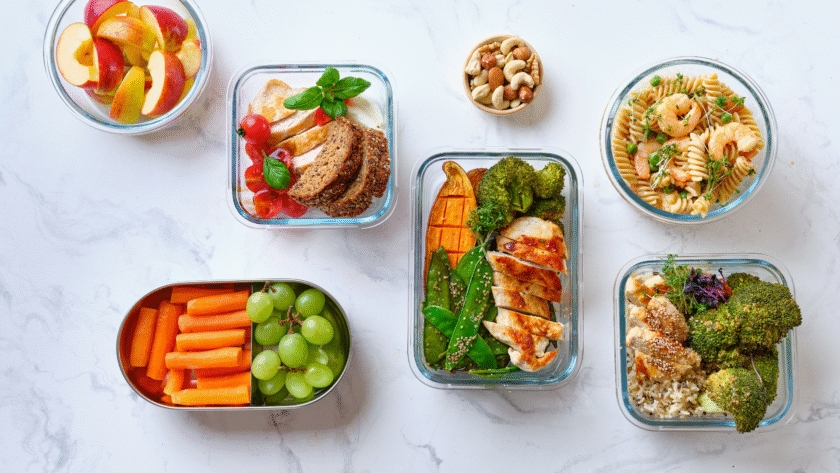
Busy lifestyles often make it challenging to maintain healthy eating habits without overspending. Budget-friendly meal prep ideas can help streamline cooking while ensuring nutritious options are readily available. With a little planning and creativity, anyone can create meals that are not only affordable but also quick to prepare during the week.
By incorporating simple ingredients and batch-cooking techniques, individuals can save both time and money. Planning meals around sales and seasonal produce maximizes savings while minimizing waste. This approach not only simplifies grocery shopping but also leads to better meal choices throughout the week.
Exploring meal prep options can inspire confidence in anyone looking to enhance their cooking skills. From versatile grains to easy-to-prepare proteins, these ideas cater to various dietary preferences while keeping costs low. Embracing meal prep is a practical step toward healthier living that doesn’t require a significant investment of time or money.
Essential Strategies for Budget-Friendly Meal Prep
Implementing effective strategies makes meal prepping both budget-friendly and time-efficient. By focusing on meal planning, food savings, and ingredient selection, individuals can enjoy nutritious meals without overspending.
Budget Meal Planning Tips
A structured meal plan is vital for saving money. Start by choosing a meal planning method that works, such as weekly or bi-weekly plans. Listing meals for the week can prevent impulse buys during grocery runs.
Using seasonal ingredients can further reduce costs since these items are often cheaper and fresher. Maintaining a consistent routine for meal prep days enhances efficiency.
Incorporating leftovers into the meal plan is another effective strategy. This minimizes waste and can stretch a meal further. Setting aside a few hours each week for meal prep can make a significant difference.
How to Save Money on Food
Maximizing savings on grocery shopping requires thoughtful strategies. Utilizing coupons and discount apps can lead to significant savings. Many stores also offer loyalty programs that provide additional discounts.
Buying in bulk is a productive way to cut costs, especially for staples like rice, beans, and other grains. When possible, opt for store-brand products, which often have the same quality as name brands but are priced lower.
Avoid shopping when hungry; it can lead to unnecessary purchases. Planning meals around sales and promotions helps in getting the most value for the money spent.
Choosing Affordable Ingredients
Selecting affordable ingredients is crucial for budget meal prep. Focus on whole foods such as grains, legumes, and seasonal vegetables, which are usually less expensive than processed foods. Utilizing pantry staples like oats, lentils, and canned tomatoes can stretch a meal plan significantly.
Consider substituting proteins; for example, using beans or lentils in place of meat can lower costs. Additionally, purchasing frozen fruits and vegetables can be a financially sound choice. They are often cheaper than fresh ones and can be stored longer.
Always check unit prices to compare products effectively and choose the most cost-effective options. This simple strategy can lead to substantial savings over time.
Quick and Easy Meal Prep Recipes for Busy People
For those with hectic schedules, meal prep can simplify daily dining and alleviate stress. These recipes cater to different needs, focusing on ease and affordability without sacrificing flavor.
Simple Weeknight Dinner Recipes
Creating quick dinners can be a game-changer. One excellent option is one-pan chicken and vegetables. Just season chicken breasts with olive oil, garlic, and herbs, then roast with seasonal vegetables on a sheet pan. This dish takes about 30-40 minutes to prepare and cook.
Another option is pasta primavera. Sauté any vegetables in olive oil, toss with cooked pasta, and sprinkle with parmesan cheese. This dish can use whatever vegetables are on hand, making it versatile and budget-friendly.
Lastly, stir-fried tofu and broccoli are quick to prepare. Marinate tofu in soy sauce, then stir-fry with broccoli and serve over rice. This meal is not only easy but also packed with protein.
Affordable Family Dinners
Feeding a family on a budget doesn’t mean skimping on taste. One key recipe is a chili that combines ground beef, beans, and tomatoes. Prepare a large batch that can be easily reheated or frozen.
Baked ziti is also simple to make. Mix cooked pasta with marinara sauce and cheese, then bake until bubbly. This dish can serve multiple dinners, making it a cost-effective choice.
Sheet-pan fajitas are another favorite. Slice bell peppers and onions, mix with marinated chicken, and roast on a sheet pan. Serve with tortillas and optional toppings like sour cream or guacamole for a fun family meal.
Make-Ahead Lunch Ideas
Lunches can be prepped in advance to ensure nutritious meals during busy workdays. Mason jar salads are an excellent option. Layer ingredients starting with dressing at the bottom, followed by hearty vegetables, grains, and greens on top. Shake before serving.
Quinoa bowls also work well. Combine cooked quinoa with black beans, corn, diced peppers, and cilantro. Pack with avocado and lime on the side for freshness.
Another choice is wraps packed with lean protein and veggies. Whole wheat tortillas filled with turkey, spinach, and hummus offer a healthy, convenient lunch. These meals can save time and money while maintaining variety in daily diets.
Maximizing Leftovers and Reducing Waste
Being strategic with leftovers not only saves money but also minimizes food waste. By incorporating creative methods and efficient storage solutions, meal prep can be more effective and sustainable.
Creative Ways to Use Leftovers
Leftovers can become the foundation for new meals. Transformation ideas include:
- Casseroles: Combine leftover proteins, veggies, and grains in a baking dish. Top with cheese for a satisfying meal.
- Stir-fries: Sauté leftover meats or vegetables with fresh ingredients. Add sauces for flavor.
- Soup: Use as a base by adding broth, herbs, and spices, creating a comforting dish.
- Wraps and sandwiches: Pile leftovers between two slices of bread or inside a tortilla. Add fresh toppings for extra crunch.
This approach encourages variety and reduces monotony in meal preparation.
Batch Cooking and Storage Solutions
Batch cooking is ideal for maximizing meal prep efficiency. Preparing larger quantities of meals saves time and money. Key techniques include:
- Plan: Create a weekly menu to determine what to cook in bulk.
- Storage containers: Choose airtight containers to keep meals fresh. Label containers with dates to ensure proper consumption.
- Freeze: Many meals freeze well. Portion them out to grab when needed.
- Repurpose: If a dish is reaching its limit in freshness, consider transforming it into a new meal before it spoils.
Utilizing these methods helps maintain ingredient use while minimizing waste.